

No items found in your cart!
No items found in your cart!
 you definitely can not afford to miss this. READ HERE https://www.goglowonline.com/view-post.php?post_id=206, Thanks for always taking out time to read through our blog posts @ Goglow Limited! We are Happy that you enjoy it!&image=<img src='https://www.goglowonline.com/upload/1793272717cross boarder pic.jpg'/>) |
|
|
|
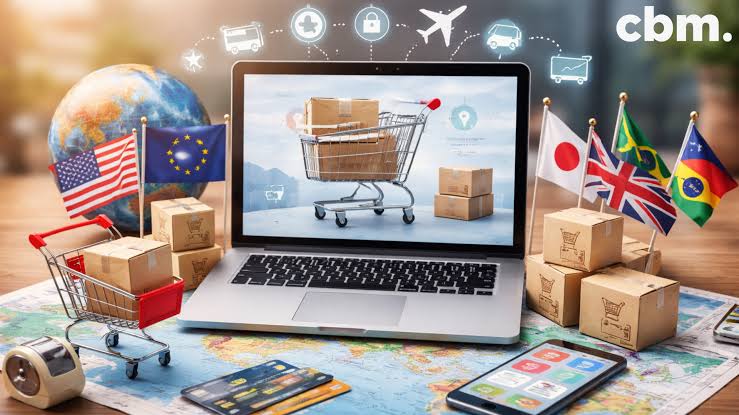
The internet has changed the way businesses sell products and connect with customers. Today, a small business can showcase its products online and attract potential buyers from different cities, countries, and continents without opening physical stores in every location.
This is the power of cross-border e-commerce.
For small businesses, entrepreneurs, and online vendors, cross-border e-commerce presents an opportunity to expand beyond local markets, increase product visibility, and explore new sources of revenue. With the right digital platforms, payment systems, and delivery arrangements, businesses can begin building an international customer base from wherever they operate.
By GOGLOW ONLINE | Smart Shopping. Endless Possibilities.
At GOGLOW ONLINE, we understand the importance of connecting products with the people who need them. Whether you sell gadgets, fashion items, accessories, electronics, or other consumer products, understanding how online commerce works can help you identify new opportunities for growth.
Cross-border e-commerce is the buying and selling of products online between customers and businesses located in different countries.
For example, a Nigerian vendor selling fashion accessories could receive an order from a customer in the United Kingdom through an online store. Similarly, a business selling electronics could attract buyers abroad through an appropriate marketplace or e-commerce website.
Cross-border e-commerce can involve:
Electronics, gadgets, and accessories.
Clothing, footwear, bags, and fashion products.
Handmade products and locally produced goods.
Beauty, lifestyle, and household products, subject to applicable regulations.
Digital products and other eligible online offerings.
Instead of relying exclusively on customers who visit a physical shop, businesses can use digital platforms to display their products and connect with a wider audience.
One of the biggest limitations of a traditional business is its geographical reach. A shop may serve customers within a particular neighbourhood or city, while an online store can attract people from many locations.
By building an online presence, businesses can introduce their products to customers who might never have discovered them otherwise.
Customers increasingly discover products through search engines, social media, online marketplaces, and recommendations.
A business with clear product listings, attractive images, useful descriptions, and an accessible online store has more opportunities to be discovered by potential buyers.
Expanding into another market can help businesses diversify their customer base and explore additional revenue opportunities.
However, international sales are only beneficial when the selling price covers the cost of the product, payment processing, delivery, marketing, taxes, and other applicable expenses.
An online store allows a business to present its products professionally, communicate its value, display customer reviews, and build relationships with buyers.
Over time, consistent service and reliable fulfilment can help transform first-time buyers into repeat customers.
A professional e-commerce website gives customers a convenient place to browse products, compare options, check prices, and place orders.
An effective online store should include:
Clear product images and descriptions.
Accurate prices and product specifications.
Simple navigation and a mobile-friendly design.
Secure payment options available to the business and its customers.
Clear delivery, refund, and return policies.
Accessible customer support.
Your website should make it easy for customers to understand what you sell and how they can buy from you.
Online marketplaces connect vendors with customers who are already searching for products.
Depending on the product category, target country, and seller eligibility, businesses can investigate platforms such as Amazon, eBay, and Etsy.
Before choosing a marketplace, check its registration requirements, seller fees, payment arrangements, product restrictions, and shipping options.
The best marketplace is not necessarily the biggest one. It is the platform that suits your products and gives you a realistic opportunity to reach your target customers profitably.
Social media is an effective way to introduce products to potential buyers and direct interested customers to an online store.
Platforms such as Instagram, TikTok, Facebook, and YouTube allow businesses to publish product demonstrations, unboxing videos, comparisons, customer testimonials, and promotional content.
For example, a gadget vendor could create a short video showing how a smartwatch works, explain its features, and direct interested customers to the product page.
Consistent content, relevant keywords, and clear calls to action can help businesses attract attention and generate enquiries.
Customers cannot physically inspect products when shopping online. Your product listing must therefore provide enough information to help them make informed decisions.
Use high-quality images, accurate specifications, clear pricing, and honest descriptions.
For electronics and gadgets, explain compatibility, available features, accessories included, warranty terms, and any limitations.
For fashion products, provide sizing information, material details, colours, and care instructions.
The more clearly you present your products, the easier it becomes for customers to decide whether they meet their needs.
International customers need convenient ways to pay, while businesses need reliable methods of receiving funds and delivering orders.
Research payment providers that support your country, business model, target markets, and required currencies.
For physical products, investigate international couriers and fulfilment services that can handle your items and destination countries.
Before accepting orders, calculate delivery charges, processing fees, applicable customs duties, taxes, and possible return costs.
Always communicate delivery estimates clearly and explain any additional charges that customers may have to pay.
Trust is essential in online shopping, especially when customers are buying from an unfamiliar business.
Businesses can build trust by providing accurate product information, secure checkout, transparent policies, responsive customer support, and genuine customer reviews.
Avoid misleading product photographs, exaggerated claims, and hidden charges.
When customers know what to expect and receive what they ordered, they are more likely to return and recommend the business to others.
Nigerian entrepreneurs do not necessarily need to establish a physical shop abroad before exploring international e-commerce.
A practical starting point is to:
Starting with one carefully selected market can be more effective than trying to sell everywhere at once.
Although cross-border e-commerce offers opportunities, businesses must plan for several challenges.
Researching these issues before launching an international sales campaign can help businesses reduce avoidable losses.
At GOGLOW ONLINE, our goal is to make products easier to discover and access through digital commerce.
Our platform provides an online channel for product visibility and shopping opportunities, helping customers discover available products while giving vendors an avenue to showcase their offerings.
Whether you sell gadgets, electronics, fashion items, bags, or other eligible products, having an online presence can help you present your business to a wider audience.
For vendors, online visibility is an opportunity to introduce products to potential customers, promote offers, and develop new sales opportunities.
For shoppers, online product discovery makes it easier to explore available options before making a purchase.
As digital commerce continues to evolve, businesses that invest in quality product listings, customer service, and effective online marketing will be better prepared to compete in an increasingly connected marketplace.
International reach depends on the vendor's eligibility, product restrictions, payment support, shipping arrangements, and the markets being served.
It is the online buying and selling of goods or services between businesses and customers in different countries.
Yes. Businesses can explore international online stores and eligible marketplaces, provided they meet the relevant platform requirements and comply with export, payment, shipping, and destination-country regulations.
Not always. Depending on your business, you may start with an eligible marketplace or another suitable online sales channel. A dedicated website can provide greater control over your product presentation and customer experience.
Potential categories include gadgets, fashion accessories, clothing, crafts, and other permitted products. Demand, shipping costs, and import restrictions should be considered before selecting a product.
Vendors can use product-focused content, social media marketing, search engine optimisation, suitable marketplaces, professional product listings, and reliable customer service.
It can be, but profitability depends on customer demand, pricing, competition, payment charges, shipping costs, returns, and regulatory obligations.
Cross-border e-commerce gives small businesses new ways to showcase products, connect with customers, and explore markets beyond their immediate environment.
Success requires more than uploading products online. Businesses need to understand their target customers, choose appropriate platforms, calculate their costs, provide reliable fulfilment, and build trust through consistent service.
The opportunity begins with taking the right steps: present your products professionally, make them easy to discover, and give customers a reason to buy from you.
GOGLOW ONLINE provides a platform for vendors to showcase their products and explore opportunities to reach potential customers.
Visit our website to explore our online platform and learn more about vendor opportunities.
Website: https://goglowonline.com
GOGLOW ONLINE —...glowing with quality goods ans services.


.jpeg)

 Categories
 Magnetic White Boards
 Printers
 Television/Monitor
 Phone Accessories
 Laptop Accessories
 Home & Office


 Groceries
 Laptops
 Projectors
 Magnetic Chalk Boards
 Office Pin/Notice Boards
 Smartphones
 Photocopiers
 Projector Accessories
 Classroom
 Office Accessories
 Musicals
 Electronics
 Fashion
 Home & Kitchen
 Health & Beauty
 Digital Camera