


No items found in your cart!
No items found in your cart!
 you definitely can not afford to miss this. READ HERE https://www.goglowonline.com/view-post.php?post_id=202, Thanks for always taking out time to read through our blog posts @ Goglow Limited! We are Happy that you enjoy it!&image=<img src='https://www.goglowonline.com/upload/1791458430digital payment.jpg'/>) |
|
|
|
|
|
|
|
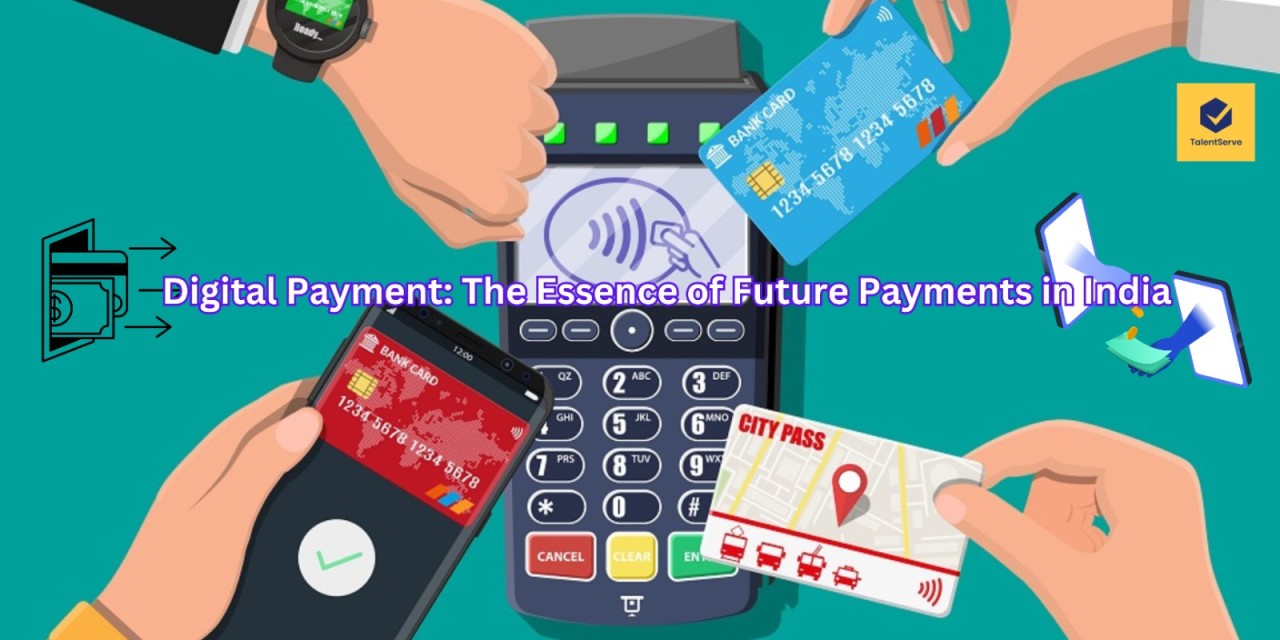
Digital payments have transformed the way people buy goods, pay bills, transfer money, and conduct business. Instead of relying mainly on cash, consumers can now make payments using bank cards, mobile wallets, bank transfers, payment gateways, and digital currencies. As internet access, smartphones, and financial technology continue to develop, digital payments are expected to become even faster, safer, and more convenient.
Debit and credit cards such as Visa and Mastercard will continue to play a major role in online payments. However, physical cards may become less important as card details are increasingly stored securely in mobile phones, browsers, and digital wallets.
Contactless payments and tokenisation will also make card transactions more secure by replacing sensitive card information with digital tokens.
Mobile wallets such as Apple Pay, Google Pay, and other regional wallet services allow users to store payment cards and make payments directly from their phones.
In many developing markets, mobile money and wallet systems are particularly important because they can provide convenient financial services to people who may not have traditional bank accounts.
Traditional bank transfers can sometimes be slow, but instant-payment systems are changing this. Consumers increasingly expect money to move between accounts within seconds.
This will make direct bank payments more attractive to businesses because they can receive money without relying entirely on cards.
Payment gateways will remain essential for e-commerce. They allow online businesses to accept different payment methods through one platform.
For example, an online Nigerian business can potentially accept cards, bank transfers, USSD, wallets, and other methods through a payment gateway rather than building each payment system independently.
Cryptocurrencies and central bank digital currencies (CBDCs) could introduce new ways of transferring value electronically.
Cryptocurrencies can enable peer-to-peer transactions without traditional financial intermediaries, while CBDCs are digital forms of national currencies issued by central banks. Their widespread adoption will depend on regulation, infrastructure, security, and consumer trust.
Buy-now-pay-later (BNPL) services allow customers to purchase products immediately and pay over time. This can make expensive products more accessible, particularly in e-commerce.
However, responsible lending and consumer protection will become increasingly important as these services grow.
Artificial intelligence could make payment systems smarter by identifying unusual transactions, detecting fraud, assessing risks, and improving customer support.
Biometric authentication—such as fingerprints, facial recognition, and other identity-verification technologies—can also make payments easier while reducing dependence on passwords and PINs.
The future of digital payments will probably not be dominated by one single technology. Instead, different payment methods will work together.
A customer might shop online, select a digital wallet at checkout, authenticate the transaction using biometrics, and have the payment processed instantly through a payment gateway. Behind the scenes, artificial intelligence could monitor the transaction for fraud.
For businesses, this means offering multiple convenient and secure payment options will become increasingly important. For consumers, payments will become faster, more integrated into everyday technology, and less dependent on physical cash.
The future of digital payments is moving toward speed, convenience, security, accessibility, and greater choice. Cards, mobile wallets, instant bank transfers, payment gateways, digital currencies, BNPL, biometrics, and AI will all contribute to the evolution of online payments.
As e-commerce continues to grow globally, businesses that adopt reliable digital payment systems will be better positioned to reach customers locally and internationally. Ultimately, the future of payments may be less about how we pay and more about making payment so simple that it becomes an almost invisible part of the shopping experience.
.jpg)
.jpeg)
.jpeg)

 Categories
 Magnetic White Boards
 Printers
 Television/Monitor
 Phone Accessories
 Laptop Accessories
 Home & Office


 Groceries
 Laptops
 Projectors
 Magnetic Chalk Boards
 Office Pin/Notice Boards
 Smartphones
 Photocopiers
 Projector Accessories
 Classroom
 Office Accessories
 Musicals
 Electronics
 Fashion
 Home & Kitchen
 Health & Beauty
 Digital Camera